

Knowing your cup size is one of the most important steps toward comfort and confidence. In this post, we’ll dive into the world of B cup bra size—what it means to wear a B cup, how different brands interpret the size, and how to find the perfect fit for your unique shape. Whether you’re new to wearing bras or just want to fine-tune your bra knowledge, this guide has you covered!
Table of Contents
1. What Is a B Cup?
2. Measuring Yourself for a B Cup Size
3. Common Misconceptions About B Cups
4. How B Cup Size Can Differ on Different Body Types
5. Finding the Perfect B Cup Bra Fit
6. Bra Sister Sizes for B Cups Explained
7. Tips for Comfort, Style, and Confidence
8. Embracing Your Body: From ‘B Cup’ to Body Positivity
What is a B Cup?
A bra’s cup size measures how much bigger the bust is compared to the band size.
In other words, the cup size is the difference between the measurement around your chest under your bust and the measurement around the fullest part of your bust.
Cups are labeled with letters, and as you move from A, B, C, and so forth, each letter usually represents an increase in about one inch of difference between these two measurements.
In a common US/UK calculation, a B cup corresponds to roughly two inches (5.1 cm) between the calculated band and bust measurement. This is a starting estimate, not a universal rule for every brand or sizing system.
Measuring Yourself for a B Cup Breast Size
To measure yourself for a B cup, first wrap a soft measuring tape around your chest just under your bust.
Next, measure around the fullest part of your bust to see how much larger that area is compared to your under-bust measurement.
A two-inch difference can suggest a B cup in some US/UK sizing methods, but band rounding and brand methods affect the result. Use our bra size calculator for a starting estimate, then compare the brand’s guide and check the fit.
Common Misconceptions About B Cups
Are B cup shapes small?
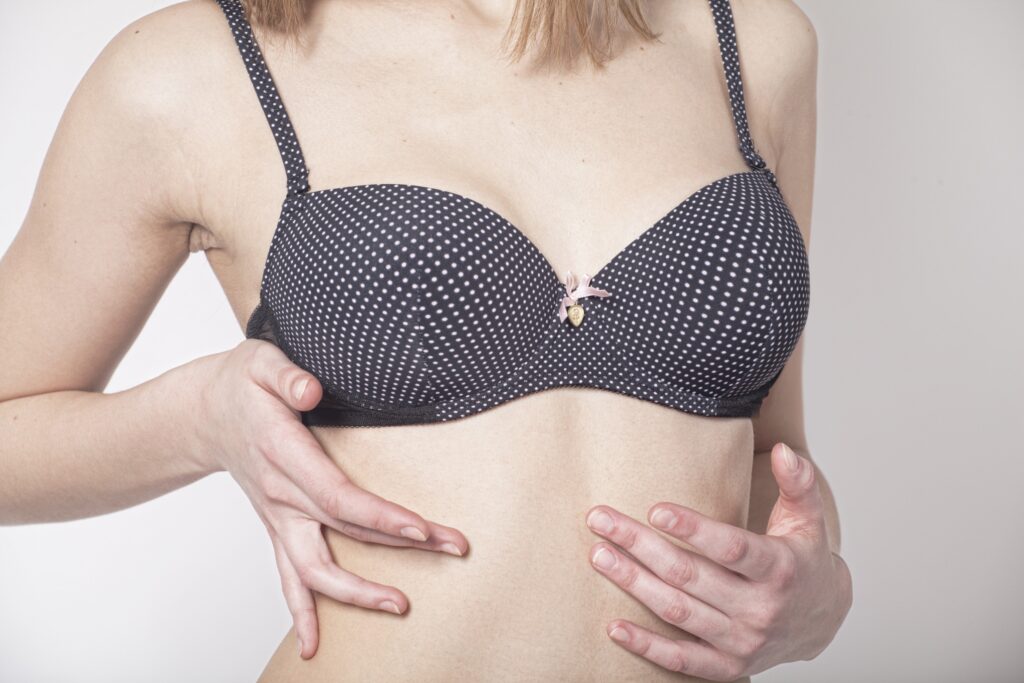
Some people assume that a B cup is always small, but this is not true because cup size depends on both the band size and the bust measurement.
A 30B, 34B and 38B do not have the same cup volume. The band number is essential when comparing cup sizes.
You cannot reliably identify someone’s bra size from their appearance or a photograph.
Does B Cup Need Support?
Some people think B cups don’t need support because they’re not as large as C or D cups, but that’s not how it works.
Even with a smaller bust, wearing a bra that’s too loose can lead to chafing or bouncing during daily activities. If you do activities like yoga, jogging, or even light cardio, a supportive sports bra can help prevent soreness and discomfort.
It’s not just about size, but about giving your body the support it needs, no matter the cup letter.
How B Cup Size Can Differ on Different Body Types

Two people can both wear a B cup and still look completely different because of their body shape.
It’s kind of like if two people hold the same sized apple—one with a smaller hand might make the apple look bigger, while someone with a larger hand might make that same apple seem smaller.
Breast shape and the cut of a bra also affect how the cups fit.
Use your measurements and a fit check rather than a comparison with another person.
Finding the Perfect B Cup Bra Fit
Finding the perfect B cup bra is about more than just the label on the tag—it’s about how it feels when you move around and go about your day. Because brand sizing isn’t always consistent, it helps to keep at least two sister sizes in mind when you go shopping.
For instance, if you usually wear a 34B, trying on both a 32C and a 36A might help you zero in on the fit that feels best, even if the label doesn’t say “B”.
Sister sizes let you explore different band and cup combinations so you don’t have to rely on the exact same letter every time.
Shopping online for a B cup bra can be a bit trickier, but there are still ways to make the process easier.

Start by taking fresh measurements at home and comparing them to the brand’s size chart—most online stores have detailed fit guides.
If you plan to compare sizes at home, check the retailer’s return deadlines, fees and hygiene requirements before ordering. Free returns are not guaranteed.
To figure out your sister sizes before you shop, you can use an online tool like brasizecalculator.com to quickly see which sizes are worth trying.
Also, read customer reviews to see if the bras tend to run large or small.
Bra Sister Sizes for B Cups Explained
Sister sizing can help when the cups fit but the band needs adjusting.
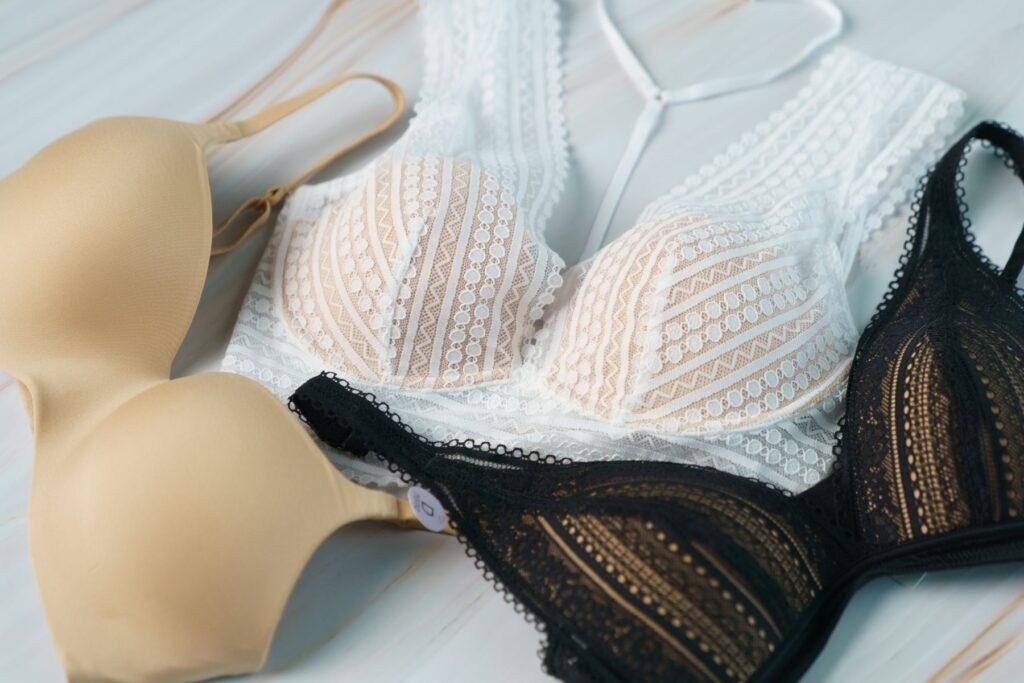
Sister sizes are a set of alternative bra sizes that have approximately the same cup volume as your main size, but with a different band length.
Let’s say, if 34B is your usual go-to, you might also find a great fit in 32C or 36A. By trying out sister sizes, you’re not forced to stick to just one exact size label, which can help you work around brand-to-brand differences or those times when your usual size isn’t available.
By trying a sister size, you can fine-tune your fit—if a certain band is too snug, you can move up a size, or if it’s too loose, you can move down, all without changing the cup volume you need.
To learn more about how sister sizes work and how to find them, check out this article.
Tips for Comfort, Style, and Confidence
Choose the Right Material and Style
Picking the proper fabric for your B cup bra depends on how you want it to look and feel.
If you want your breasts to appear a bit fuller, go for bras with lightly padded or molded cups—these add a little lift without looking over the top. Stretch lace or foam-lined bras can also make your bust look rounder and more enhanced, giving you a nice boost.
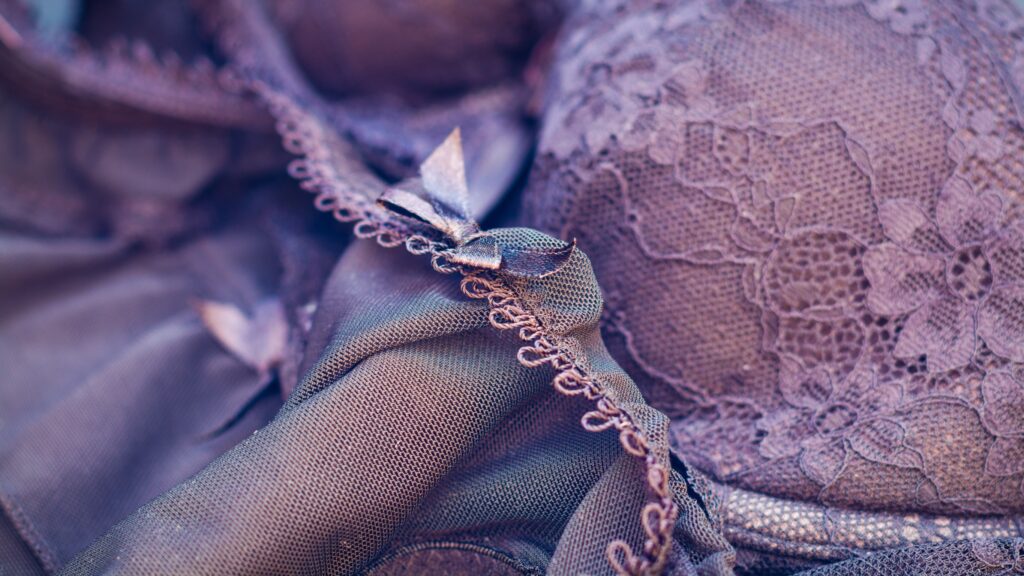
For a smooth, seamless look under tight tops, try bras made with silky or microfiber fabric. They keep everything in place and don’t show lines under fitted shirts like ribbed knits or scoop-neck tees, which can help highlight your shape.
If you like versatility, try a convertible bra that works with different outfits—whether it’s a strapless dress, a tank top, or an off-the-shoulder look.
Focus on Fit, Not Just Size
Your bra should be about how it actually feels on your body, not just the size in the label.
If your band feels too tight and leaves marks, or if it rides up in the back, it’s likely the wrong size or style for you.
Similarly, gaping cups or spillage can be signs that you need to adjust your cup size or try a sister size.
To make sure your bra fits perfectly, check out this article on bra fit issues for a simple 4-point assessment that will help you spot common problems
Experiment with Colors and Designs
Choose colours and designs based on your clothes and personal preferences.
For less contrast under a light top, try a colour close to your skin tone and check it under the clothing you plan to wear.
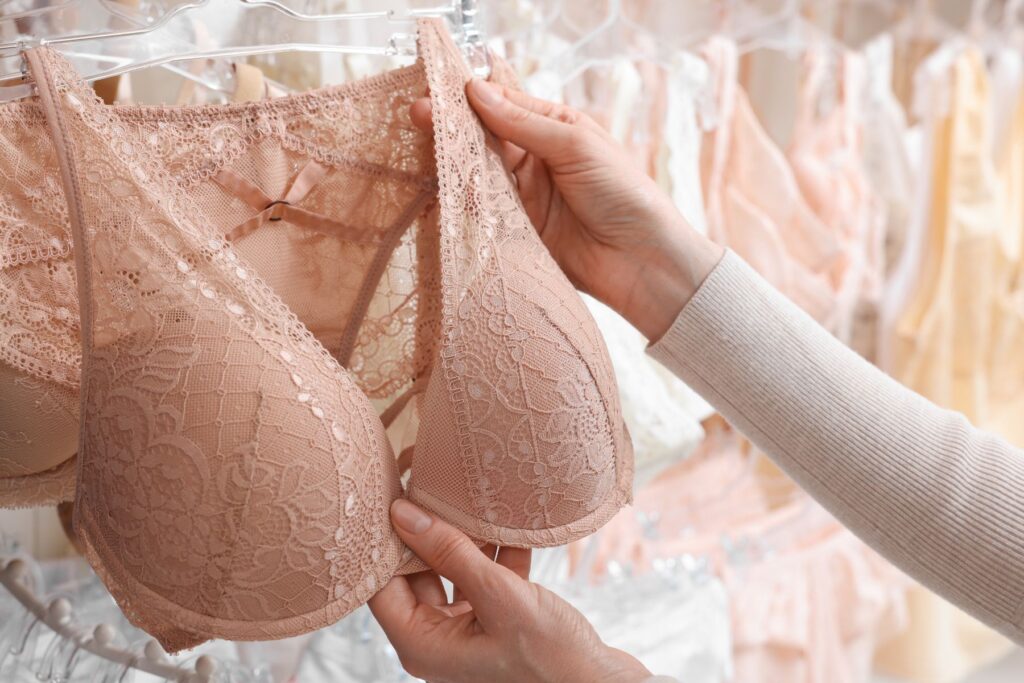
These colors can give a smooth, subtle look that’s perfect for everyday wear, especially under light or fitted clothing.
If you want to make your bust appear fuller, darker shades like black, navy, or deep red, combined with lace or textured designs, can create the illusion of more volume.
Embracing Your Body: From ‘B Cup’ to Body Positivity
There is no ideal cup size. A cup letter does not measure attractiveness, health or how common your body shape is. Choose a bra that feels comfortable and suits your preferences.
Body positivity isn’t just about loving your size—it’s also about how confidently you can carry a fashion or style.
A good fashion choice is only good if it feels right for you. Trends can be fun, but they aren’t always a perfect fit for everyone.
Sometimes, it’s better to go with a look that suits your body and personality rather than chasing what’s “in.”
FAQs About the B Cup
Q: How does your shape impact the B cup fit?
Your shape plays a big role in how well a B cup bra fits. If you have fuller chests at the top, you might find that certain styles fit snugly, while bottom-heavy chest might experience gaping. Knowing your shape can help you pick the most flattering styles.
Q: Can a B cup size change over time?
Yes! Your cup size can fluctuate due to changes in weight, hormonal shifts, or even lifestyle changes like increased physical activity. Remeasure when your fit changes and check the brand’s sizing guide.
Q: What’s the difference between a B cup and other cup sizes?
Within the same band size and sizing system, B has more cup volume than A and less than C. Across different band sizes, the letter alone does not tell you the volume. Brand measurement methods can also differ.
Conclusion
If you wear a B cup, finding the perfect bra comes down to knowing your measurements, understanding your chest shape, and being willing to try different styles. Remember that not all bras are created equal, so it’s okay to experiment with different brands and sizes to find what works best for you. Whether you’re looking for everyday comfort or something with a little more style, the right B cup bra is out there waiting for you!
With this guide, you’re now equipped with the knowledge to shop confidently and find the perfect fit for your B cup size.